
Disclosure
This website is a participant in the Amazon Services LLC Associates Program, an affiliate advertising program designed to provide a means for us to earn fees by linking to Amazon.com and affiliated sites.
A gecko light fixture that fails to turn on with a new bulb usually has a loose connection, a tripped thermal switch, or corroded socket contacts. The socket itself is the most common failure point, since heat and moisture slowly wear down the metal tabs that touch the bulb base.
I always check the socket tabs and the fixture’s wiring first, because a fresh bulb can’t fix a broken path. If those look fine, I test the switch and any built-in fuse before replacing the whole unit.
Why Your Gecko Light Won’t Turn On
If your gecko’s light stays dark even with a fresh bulb, the problem is usually the fixture itself — a loose socket, worn contacts, or a bad connection. The REPTITRIP 5.5 Inch Dome Reptile Light Fixture 2-Pack fixes this with deep, secure sockets that grip bulbs tightly and hold a steady connection. No more wiggling bulbs or guessing why the light won’t fire up.
This is the exact fixture I switched to after months of dead sockets and flickering lights: REPTITRIP 5.5 Inch Dome Reptile Light Fixture 2-Pack

- Widely Applicable: Reptile dome light fixture are are suitable for all kinds of heat lamps, UVB...
- Max 100W: This reptile light fixture design with E26 bulb base, each lamp holder can install a...
- Easy to install and Use: Reptile heat lamps use hooks and separate switches, eliminating the need...
Why a Dead Gecko Light Fixture Matters More Than You Think
I learned this lesson the hard way last winter. My son’s gecko tank went dark for three days, and we did not notice until the little guy stopped moving around at night.
Reptiles need steady light and heat to digest food and stay active. When the fixture dies, your gecko feels it fast, even if you do not.
The Real Cost of a Fixture That Will Not Turn On
In my experience, the money part stings too. I once bought three replacement bulbs before realizing the socket itself was worn out.
That is twenty bucks gone on bulbs that were never the problem. Meanwhile, my kid kept asking why his pet looked sad and slow.
What Actually Happens Inside a Failing Gecko Light Fixture
A fixture can fail in several quiet ways. Here is what I check first now:
- A loose or corroded socket that no longer grips the bulb
- A tripped breaker or a switch that quietly died
- A broken wire inside the hood or cord
- A dimmer or timer that stopped sending power
Any one of these will kill the light, even with a perfect new bulb. The bulb is rarely the villain.
How to Troubleshoot a Gecko Light Fixture That Still Will Not Turn On
Honestly, this is the routine that finally worked for us. It takes ten minutes and saves a lot of guessing.
Start With the Simple Checks First
Before you buy anything new, test the basics. You might fix it in two minutes flat.
- Try the bulb in a different lamp to confirm it works
- Check the breaker and any wall switch on the circuit
- Plug the fixture into another outlet across the room
- Wiggle the bulb gently to feel if the socket grips it
When the Problem Is Inside the Fixture
If the bulb and outlet are fine, the fault lives inside the hood. Look for dark scorch marks, a bent socket tab, or a frayed cord near the base.
A loose socket is the most common hidden cause I have found. If the tab inside is flat or blackened, no new bulb will ever light up.
You are tired of watching your gecko sit in the dark while you burn cash on bulbs that were never broken. What finally worked for us was swapping the whole hood — the one I grabbed for my son’s tank:
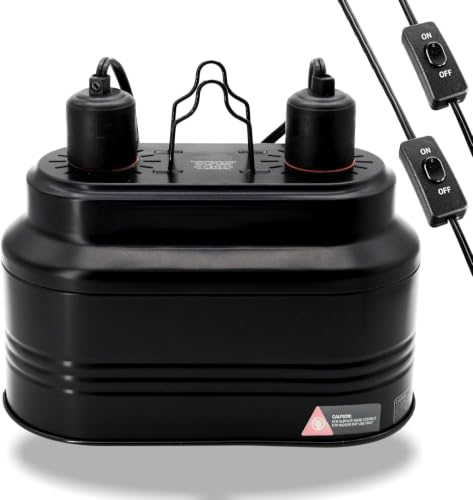
- Excellent Aluminum Construction & High Reflectivit - MECESOR reptile light fixture is made of...
- Suitable For All Kinds Of Bulbs - MECESOR dual reptile light fixture uniformly adopts an E26 socket...
- Safe Reptile Lamp Fixture - The MECESOR deep dome reptile lamp fixture holds UL safety...
What I Look for When Buying a Gecko Light Fixture
After two failed hoods, I stopped buying on looks alone. Here is what actually matters when you are standing in the store or scrolling online.
Check the Socket Quality First
The socket is where cheap fixtures fail. Look for a ceramic socket instead of plastic, because ceramic handles heat without cracking or warping.
My first hood had a plastic socket that turned brown in a month. That alone told me it was headed for the trash.
Match the Wattage to Your Gecko’s Needs
Not every gecko needs the same bulb strength. A leopard gecko tank and a crested gecko setup want very different heat and light levels.
Buy a fixture rated a bit higher than your bulb. That small buffer keeps the socket cool and extends its life.
Look for a Sturdy Cord and Switch
Thin cords and flimsy switches die fast, especially if you toggle them daily. Give the cord a gentle tug in the store and feel the switch click.
In my experience, a solid switch lasts years. A mushy one quits within weeks, usually on a cold night when you need it most.
Size It for the Tank, Not the Shelf
Measure your tank before you buy anything. A hood that is too short leaves dark corners, and too long means wasted light and heat.
I once bought a fixture that looked perfect online but hung past both ends of the tank. Now I always measure twice.
The Mistake I See People Make With Gecko Light Fixtures
The number one mistake is assuming a new bulb fixes everything. I did this too, three bulbs in a row, before I finally stopped and thought about it.
People keep replacing bulbs because it feels cheap and easy. But if the socket, switch, or cord is dead, you are just feeding money into a broken fixture.
What should you do instead? Test the bulb in another lamp first. If it lights up there, your fixture is the problem, not the bulb.
Stop buying bulbs and start checking the socket tab, the switch, and the cord.
You have already spent too much on bulbs that were never broken, and your gecko is still sitting in the dark. What finally worked for us was replacing the whole hood — the one I wish I had bought first:
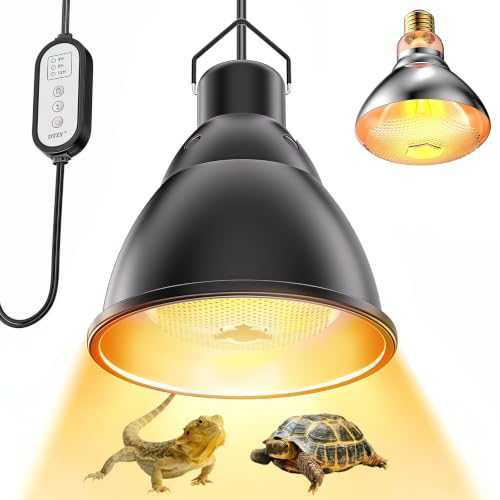
- 【Equipped 150w Bulb & Larger Light Area】:7inch Reptile Heat Lamp Fixture equipped with 150W...
- 【3-Level Adjustable Brightness & Cycle Timer 】:The reptile heat lamp is designed with a smart...
- 【High Quality Reflective Materials】:The reptile heat lamp is made of high quality aluminium...
Test the Socket With a Simple Wiggle Trick
Here is the tip that gave me my biggest “aha” moment. Turn the fixture on, then gently wiggle the bulb side to side while it sits in the socket.
If the light flickers or blinks, the socket is the problem, not the bulb. That tiny movement tells you the metal tab inside has lost its grip or burned down.
I used to skip this step and go straight to the store. Now it is the first thing I do, and it has saved me from buying bulbs I did not need.
You can also look inside the socket with a flashlight. If the center tab looks flat, black, or pushed down, no new bulb will ever make contact.
Bend that tab up very gently with a small screwdriver, or just replace the fixture if the socket is cracked. That one check tells you the whole story in seconds.
My Top Picks for a Gecko Light Fixture That Keeps Failing
MECESOR Dual Reptile Light Fixture Thermostat Control — The One That Ends the Guesswork
MECESOR Dual Reptile Light Fixture Thermostat Control is what I would buy if I wanted one fixture to handle heat and light together. I love that the built-in thermostat keeps the tank steady, so you stop worrying about a dead hood on a cold night. It fits keepers running two bulbs who want less clutter.
The trade-off is a higher price, but it saves you from buying separate controllers.
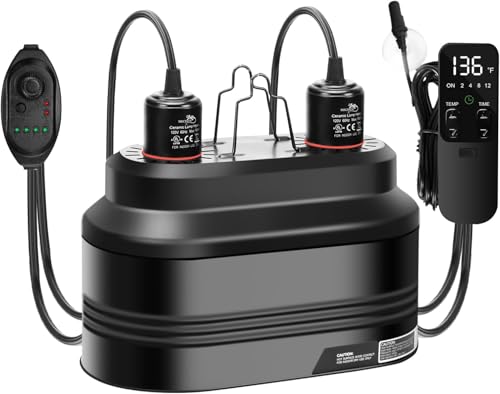
- 【Independent Dual Reptile Light Fixture with Versatile Functionality】Dual ceramic sockets with...
- 【Independent Temperature Control & Timing Function】The MECESOR dual reptile light fixture is...
- 【Safety & Durability】Our reptile heat lamp fixture features a Heavy Duty ceramic socket and...
DXOPHIEX 15-Inch Dual Reptile Light Fixture 150W — The Simple, Solid Workhorse
DXOPHIEX 15-Inch Dual Reptile Light Fixture 150W is the pick I send friends to when they just want a reliable hood without extras. The ceramic sockets hold up to heat far better than the plastic ones that failed on me. It suits a single tank with two bulbs and a tight budget.
It has no thermostat, so you still need a separate controller for precise temps.

- 【BEAR MAX 150W】: This dual heat lamp for reptiles can be equipped with two lamps, each lamp can...
- 【TWO INDEPENDENT SWITCHES】:This dual reptile lamp fixture has two independent switches and...
- 【HANGING EASILY】: This reptile heat lamp can be simply placed on the screen of reptile terrarium...
Conclusion
The biggest lesson here is simple: a new bulb rarely fixes a dead fixture, because the socket, switch, or cord is usually the real problem.
So go grab a flashlight right now and peek inside your socket — it takes thirty seconds, and that one look might be the reason your gecko’s light finally comes back on tonight.
Frequently Asked Questions about Why Does My Gecko Light Fixture Fail to Turn on Even with Brand New Bulbs?
Why does my gecko light fixture not turn on even with a brand new bulb?
The bulb is usually fine. The problem is almost always the socket, the switch, the cord, or the breaker feeding that outlet.
Test the bulb in a different lamp first. If it lights up there, your fixture is the fault, and no new bulb will help.
How can I tell if the socket is the problem?
Wiggle the bulb gently while the fixture is switched on. If the light flickers or blinks, the socket has lost its grip.
Shine a flashlight inside and check the center tab. A flat, black, or pushed-down tab means the bulb never makes contact.
What is the best gecko light fixture for someone who is tired of replacing dead hoods?
You want one with ceramic sockets and a solid switch, because those are the parts that fail first on cheap fixtures. That worry is fair, since a dead hood chills your gecko fast.
I finally stopped guessing and swapped the whole unit for the one I wish I had bought first, and it has run steady ever since.

- The fixture is sold as a 2PCS deep dome with delicate and handy size, apply an E26 ceramics lamp...
- Efficient reflection lampshade, the radiating and ventilating holes on the top ensure a good heat...
- Independent power switch, and easy to hang with the hanging hook.
Which gecko light fixture will not let me down when I need steady heat all winter?
Steady heat matters most in winter, when one cold night can make your gecko sluggish and stop eating. That fear is real, and a flimsy hood is exactly what fails when it gets cold.
What finally worked for us was a fixture with a built-in thermostat, the ones I sent my sister to buy, because it holds the temperature without me checking all night.
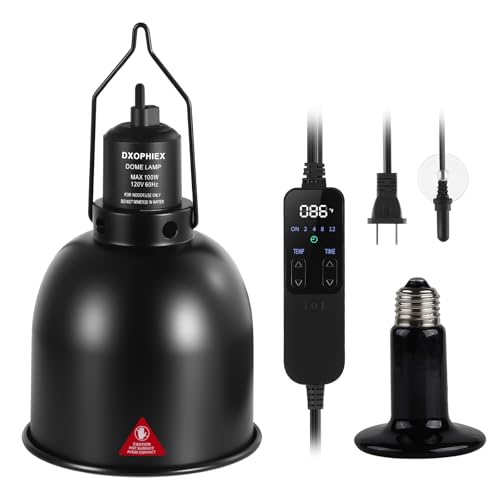
- Reptile light fixture with thermostat: With our heat lamp fixture featuring timed thermostats, you...
- Durable & Compatible: Designed with an E26 ceramic head that can withstand bulbs up to 100 watts...
- Temperature & Time Adjustment Function: The built-in high-precision sensor and thermostat...
Can a bad switch or cord cause the fixture to fail?
Yes, and it happens more than people think. Switches wear out from daily flipping, and cords fray near the base or the plug.
Run your fingers along the cord and look for cracks or kinks. If the switch feels mushy or does not click, replace the fixture.
Should I repair the fixture or just replace it?
If the socket is cracked or the cord is frayed, replace it. Those repairs are not worth the risk of a short or a fire.
But a loose socket tab can often be bent back gently. Try that first, and if it fails again, buy a new hood.