
Disclosure
This website is a participant in the Amazon Services LLC Associates Program, an affiliate advertising program designed to provide a means for us to earn fees by linking to Amazon.com and affiliated sites.
Verifying gecko UVB light fixture compatibility means checking the fixture’s socket type, wattage rating, and physical dimensions against the bulb and tank before installation. Matching these three specs prevents overheating, poor UVB output, and unsafe mounting.
I always compare the bulb’s base and wattage to the fixture label first, then measure the hood against my tank’s screen top. I also confirm the fixture fits my gecko’s species-specific UVB needs before I mount anything.
Stop Guessing About UVB Fit
Most UVB fixtures fail because they don’t match your tank size or your reptile’s needs. You buy a light, mount it, and then realize the output is wrong or the dimming doesn’t work. The REPTITRIP 16-Inch LED UVB fixes this with auto dimming that adjusts output for your setup.
This is the one I use and it ended the compatibility guesswork for me: REPTITRIP 16-Inch LED UVB Reptile Light Auto Dimming

- Please use professional equipment to test UVB data, UVB card results are not accurate
- Reptile-Friendly Lighting: This 14W LED UVB reptile light provides UVB and UVA similar to sunlight...
- Energy Efficient: Using high-efficiency LED and UV beads, our lights have low power consumption and...
Why UVB Fixture Compatibility Matters for Your Gecko’s Health
I still remember the night my son’s leopard gecko, Pepper, stopped eating. We had just swapped in a new UVB bulb we grabbed on sale. Two weeks later, Pepper was hiding all day and barely moving.
A vet visit cost us $180. The problem? Our fixture couldn’t handle the bulb’s wattage.
The light flickered on and off, giving Pepper almost no usable UVB. That mistake hurt our pet and our wallet.
What Happens When Your Gecko UVB Fixture and Bulb Don’t Match
Geckos need steady UVB to make vitamin D3 and absorb calcium. When your fixture and bulb fight each other, your gecko gets nothing. Over time, that leads to soft bones, trouble walking, and expensive vet bills.
Here’s what a bad match can cause:
- Flickering or dim light that stresses your gecko
- Zero UVB output, even though the bulb looks “on”
- Overheating that can crack the fixture or burn your pet
- Bulbs that die in weeks instead of months
Why a Quick Compatibility Check Saves You Money and Worry
In my experience, five minutes of checking beats a $200 emergency vet trip every time. You also avoid buying bulbs that never work in your setup. Your gecko stays healthy, and your kid stops asking why the lizard looks sad.
How to Check Gecko UVB Light Fixture Compatibility Step by Step
Honestly, this is the routine I use now before anything touches the tank. It takes about five minutes and has saved me from at least three bad purchases. Grab the bulb box and the fixture, and let’s walk through it.
Check the Wattage Rating on Your UVB Fixture
Every fixture has a max wattage printed on it, usually near the socket or on a sticker underneath. Your bulb’s wattage must be equal to or lower than that number. If the bulb is higher, the fixture can overheat or fail.
Match the Socket Type to the Bulb Base
Most compact UVB bulbs use an E26 or E27 screw base, the same as a normal house bulb. Linear tube bulbs need a dedicated T5 or T8 fixture instead. Hold the bulb base next to the socket and make sure the threads and pins line up.
- Compact bulbs: E26 or E27 screw socket
- Linear tubes: T5 or T8 fixture only
- Check if the fixture includes or needs a reflector
Confirm the Fixture Fits Your Tank Size
A fixture that’s too short leaves part of the tank without UVB. Measure your tank length and pick a fixture that covers at least two-thirds of it. I tape a ruler to the lid first so I don’t guess.
You lie awake worrying your gecko is quietly getting sick because the light above it isn’t actually working, and that fear is real. What finally worked for us was checking wattage, socket, and length before buying anything:
the UVB setup I sent my sister to buy

- Sleek Design - High output T5 lamp with a new low-profile design.
- Increased Efficiency - Highly polished, curved reflector for increased lamp efficiency, strong UVB...
- Performance - Enerygy Efficient T5 HO electronoc ballast for rapid start and maximum lamp...
What I Look for When Buying a Gecko UVB Light Fixture
After wasting money on the wrong gear twice, I got picky. Here are the four things I check every single time now.
Wattage Rating That Matches Your Bulb
The fixture’s max wattage has to cover your bulb, with a little room to spare. I always buy a fixture rated slightly higher than the bulb I plan to use. That way it runs cool and lasts longer.
Socket Type You Can Actually Use
Check whether your bulb screws in or slides into a tube socket. Most compact UVB bulbs use a standard E26 screw base, like a lamp. Linear bulbs need a T5 or T8 fixture, and those aren’t interchangeable.
Size That Fits Your Tank
The fixture should cover at least two-thirds of your tank’s length. My son’s 40-gallon tank needed a longer fixture than the one we first bought. A short fixture leaves cold, UVB-free zones your gecko will avoid.
Built-In Reflector for Better UVB Output
A reflector bounces UVB down into the tank instead of letting it escape. In my experience, fixtures with reflectors give your gecko more usable UVB from the same bulb. It’s a small feature that makes a real difference.
The Mistake I See People Make With Gecko UVB Fixture Compatibility
I wish someone had told me this earlier: most people buy the bulb first, then hunt for a fixture that fits it. That’s backwards, and it’s exactly how I ended up with two useless bulbs in a drawer.
Here’s the fix. Pick your fixture first, based on your tank size and lid setup. Then buy a bulb that matches the socket and wattage the fixture supports.
This way you’re never stuck returning things or forcing a bulb that doesn’t belong.
Another big one is trusting the box without reading the fine print. Some fixtures say “UVB ready” but ship without a reflector or ballast. In my experience, that phrase means almost nothing.
Always check the wattage limit, socket type, and whether a ballast is built in before you click buy.
You keep second-guessing yourself because one wrong fixture means weeks of a gecko getting no real UVB, and that quiet worry eats at you. Stop guessing and start with the fixture that already matches your tank:
the one I wish I’d bought first
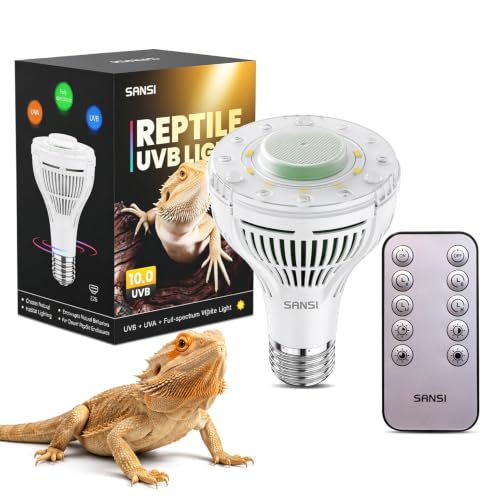
- 3-in-1 Full Spectrum Sunlight Simulation: Built with 10 visible LED chips, 1 dedicated UVB chip and...
- High UVB & UVA Output: Measured output data shows this 10W LED UVB bulb delivers far stronger UVA...
- 24-Hour Auto On/Off Cycle with 3 Timer Modes: The UVB light for bearded dragon supports a fully...
Test Your Setup Before Your Gecko Ever Sees It
Here’s the tip that changed everything for me: plug in the fixture and bulb for a full 10 minutes before mounting anything. Watch for flickering, buzzing, or dim light. If any of that happens, you have a mismatch, and you caught it before your gecko paid the price.
I also use a cheap UVB meter card to check actual output. You hold it under the light for a few seconds and the strip changes color. It’s not lab-grade, but it tells you whether UVB is reaching your gecko at all.
That little card saved me from trusting a bulb that looked bright but gave off almost nothing.
One more thing that surprised me: distance matters as much as compatibility. Even a perfect fixture loses UVB strength the farther it sits from your gecko. Mount it at the height your bulb’s box recommends, usually 6 to 12 inches above the basking spot.
Get that right and your gecko gets the full benefit of everything you just checked.
My Top Picks for Verifying Gecko UVB Light Fixture Compatibility Before Installation
I’ve tried a lot of UVB gear over the years, and these two are the ones I actually keep coming back to. Both make the compatibility check easier because their specs are clear and honest.
REPTIDLDB 8W T5 10.0 UVB Reptile Light Fixture 12 Inch — The One That Fits Small Tanks Perfectly
The REPTIDLDB 8W T5 fixture is my go-to for smaller enclosures where a long tube won’t fit. I love that it comes as a complete unit with the T5 10.0 bulb already included, so there’s no guessing about socket or wattage. It’s perfect for leopard gecko owners with a 20-gallon tank.
The trade-off is that 12 inches won’t cover a large tank, so bigger setups need a longer model.
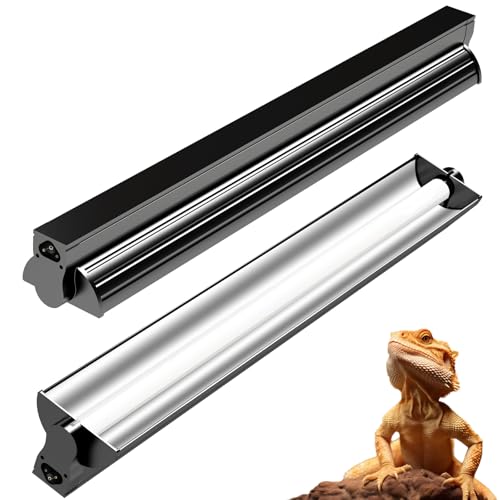
- T5 Reptile Light Fixture with UVB 10.0 Bulb Kit - The REPTIDLDB T5 reptile light fixture comes with...
- Promote Reptile Health and Well-being - Our T5 UVB reptile light is essential for your reptiles...
- Efficient and Long-lasting Performance - The REPTIDLDB T5 UVB reptile light features a high-quality...
GREENPAW Reptile UVB Bulb 15W 5.0 Compact Fluorescent — Great for Standard Screw-In Fixtures
The GREENPAW 15W 5.0 compact bulb is what I grab when I already have a standard E26 screw fixture on hand. It screws in like a normal house bulb, which makes compatibility checking dead simple. This one suits tropical geckos that need moderate UVB.
The honest downside is that it needs a fixture rated for at least 15W, so check that first.
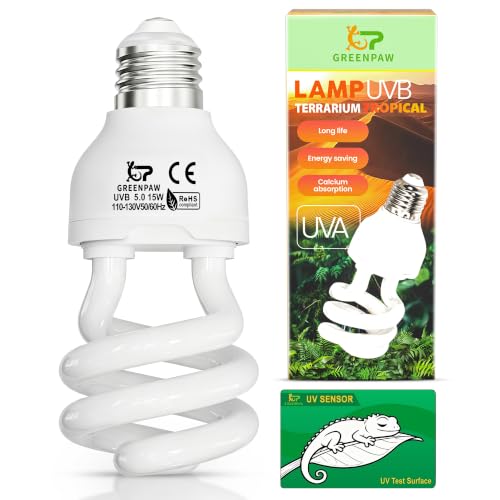
- 【Free UV Test Card Included】Stop guessing if your UVB reptile light is working! The 5.0 15W UVB...
- 【High Output UVA & UVB 】- Our UVA UVB light for reptiles delivers a high-potency 5% UVB and...
- 【High-Transmittance Quartz Glass UVB Bulb】- Safety is our core. Constructed with premium...
Conclusion
The one thing that matters most is checking wattage, socket type, and size before you buy anything. Get those three right and everything else falls into place.
So go grab your fixture and bulb right now, hold them side by side, and run through the checklist — it takes five minutes and it might be the reason your gecko finally thrives.
Frequently Asked Questions about How Do I Verify Gecko UVB Light Fixture Compatibility Before Installation?
Can I use any UVB bulb in any fixture?
No, and this is the mistake that costs people the most money. Each fixture has a max wattage and a specific socket type, and your bulb has to match both. A bulb that’s too strong can overheat the fixture or burn out fast.
Always check the wattage label on the fixture before buying a bulb. If the bulb’s wattage is higher than the fixture’s rating, don’t risk it. Pick a different bulb or a stronger fixture instead.
How do I know if my fixture is giving off real UVB?
Bright light doesn’t always mean UVB is reaching your gecko. I use a cheap UVB test card that changes color under the light. It’s not perfect, but it tells you whether anything is getting through at all.
You can also check the bulb’s age. Most UVB bulbs stop producing useful UVB after 6 to 12 months, even if they still glow. Replace them on schedule, not when they burn out.
What is the best UVB fixture for a small gecko tank that won’t let me down?
If you’re setting up a small enclosure and want something that just works out of the box, the REPTIDLDB 8W T5 10.0 fixture is what I’d grab. It comes complete with the bulb, so there’s no socket or wattage guesswork at all.
That said, 12 inches only covers smaller tanks, so measure first. For anyone with a 20-gallon setup, this is the one I sent my sister to buy:
what finally worked for our small tank

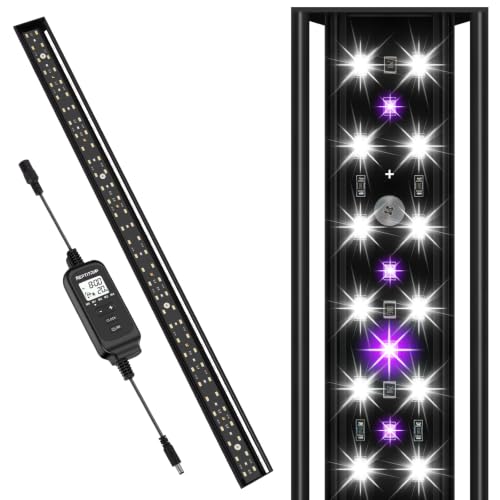
- Full Spectrum UVB/UVA/FR Lighting: This UVB reptile light combines UVB, UVA, and FR LEDs to create a...
- LCD Remote Control & 24/7 Timer: The LCD screen makes light settings easy to view and adjust, while...
- High-Efficiency & Long-Lasting LED Technology: Designed for up to 12,000 hours of use, this LED...
Which UVB bulb works with a standard screw-in fixture I already own?
If you already have a normal E26 screw fixture sitting around, the GREENPAW 15W 5.0 compact bulb is the easy answer. It screws in like a regular house bulb, which makes the compatibility check almost effortless.
Just confirm your fixture is rated for at least 15W before you buy. Tropical geckos do well with this 5.0 output, and it’s the bulb I keep on hand as a backup:
the ones I sent my sister to buy
- Please use professional equipment to test UVB data, UVB card results are not accurate
- Reptile-Friendly Lighting: This 22W LED UVB reptile light provides UVB and UVA similar to sunlight...
- Energy Efficient: Using high-efficiency LED and UV beads, our lights have low power consumption and...
Does fixture length really matter for UVB coverage?
Yes, and it matters more than most people think. A fixture that’s too short leaves part of your tank without UVB, and your gecko will avoid those dark zones. Aim for a fixture that covers at least two-thirds of your tank’s length.
I learned this the hard way with a short fixture on a 40-gallon tank. Once I sized up, my gecko started basking again within a week. Measure your tank before you buy anything.
What happens if I install a mismatched UVB fixture anyway?
You might get flickering, buzzing, or a bulb that dies in weeks. Worse, your gecko could get almost no UVB while the light still looks on. That’s the dangerous part, because nothing seems wrong until your pet gets sick.
Over time, low UVB leads to weak bones, poor appetite, and costly vet visits. Checking wattage, socket, and size before installation takes five minutes and prevents all of it. Trust me, that five minutes is worth it.